Available courses

This compulsory general foundation course is designed for international master’s and doctoral students. Centered on literature information retrieval throughout the full research lifecycle, it is a scientific methods course integrating theory, methodologies and hands-on practice to foster students’ innovation capacity. The course systematically introduces the library’s English academic resource system, enabling students to master approaches to acquiring various foreign-language literature and build a solid foundation for research information retrieval. Incorporating the use of intelligent tools in the AI for Science context, it presents how AI tools empower literature mining across the entire research cycle. Students will learn to evaluate the credibility of information sources and data reliability, identify potential academic risks of AI-generated content, and develop awareness of research ethics.
Key contents include:
(1) Full research workflow and literature retrieval (Chapters 1 and 2);
(2) Retrieval methods and access channels for different types of literature resources (Chapters 3, 4, 5, 6 and 7);
(3) Comprehensive practical training (Chapter 8).

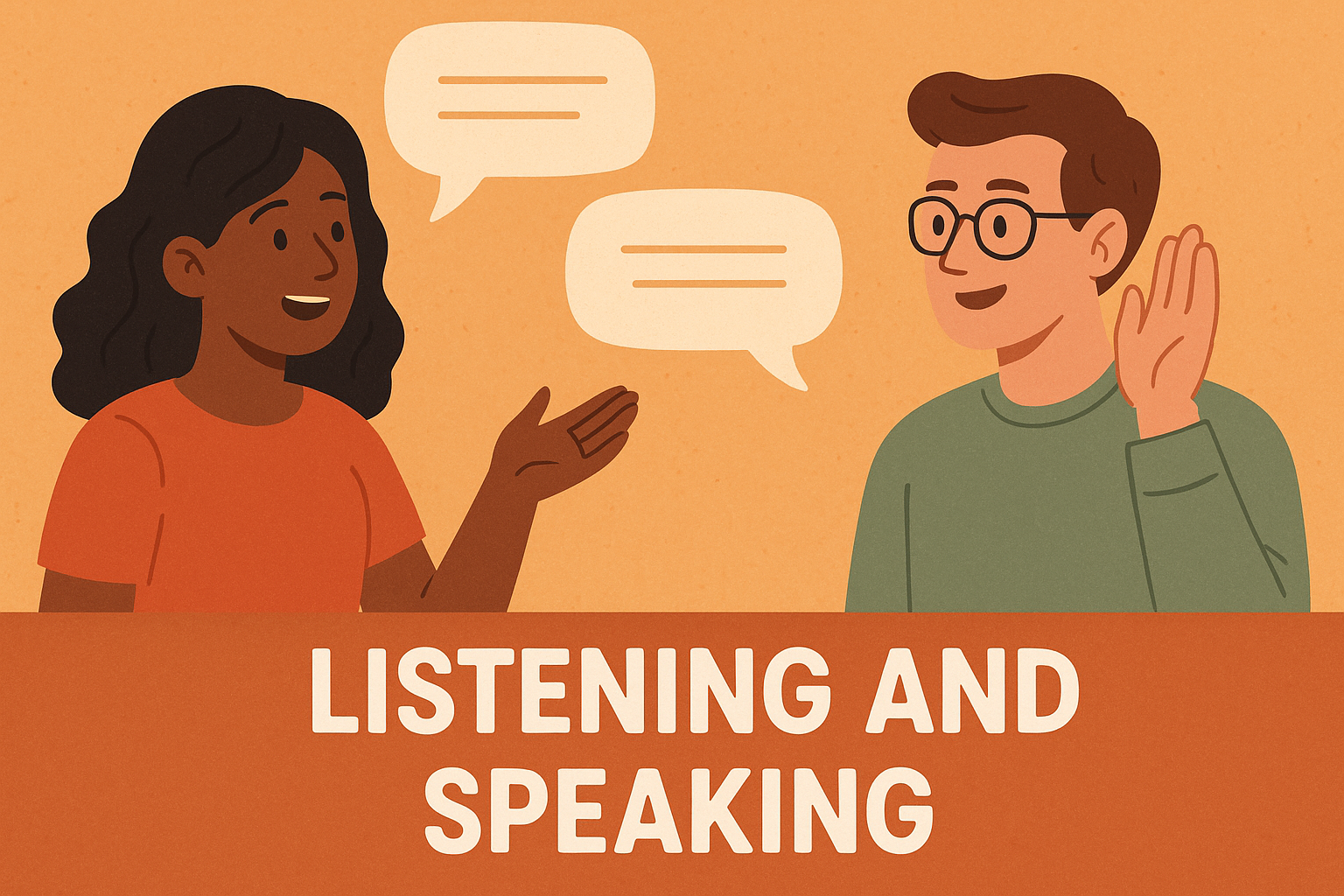
First and Second year university students will meet a general education, humanities course requirement with EWP 290 Writing and the Environment. The course is designed for learners who have had an introductory writing course. The aim is to examine the views of a natural environment as expressed by selected writers, poets, researchers, and essayist. Oral presentation and written documents are required with an emphasis on critical thinking and reading. Attention will be given to literacy practices specific to students’ academic engineering (or other majors) discipline. The course requires 8 hours of class meeting time per week which must include listening, speaking, reading, writing, viewing, and visually representing. Discussion and group work-- during and outside of class-- are intended as part of the writing process, and therefore, hold equally weighted grades to the writing samples submitted. The talking and working with others will be a quantifiable output requirement purposed as a literacy-building foundation for learners. Talking aloud to the learner’s teacher and classmates is essential.   


Students who successfully complete EWP 290 will demonstrate the ability to:

  • Compose texts that investigate a focused topic of inquiry around environment.
  • Write a research-based essay integrating primary and secondary research.
  • Critically analyze various works of environmental, non-fiction, fiction, and research literature.
  • Research and write collaboratively.

BUCT PhD Graduate Academic Communication 


Course categories


Site announcements

There are no discussion topics yet in this forum